

Oklahoma Cannabis Real Estate Market Faces Collapse

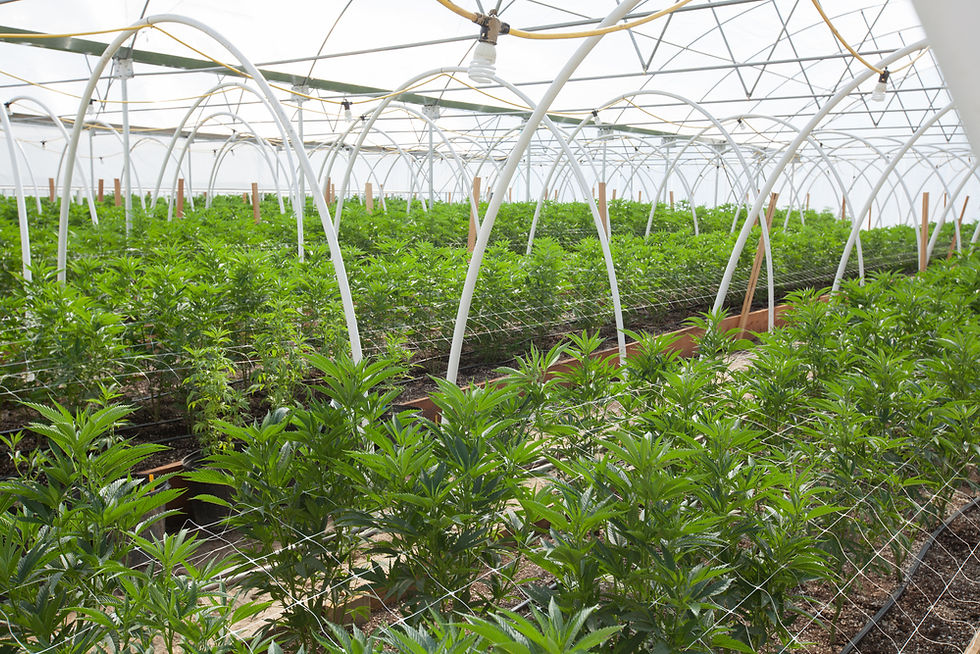
Oklahoma Cannabis Real Estate Market Collapse Leaves Rural Communities Struggling
The Oklahoma cannabis real estate market is facing a dramatic correction after years of explosive growth, leaving rural communities with abandoned grow facilities, declining property values, and costly environmental cleanup challenges.
Industry experts say the downturn stems from a massive imbalance between cannabis production and patient demand, combined with increased regulatory enforcement targeting non-compliant operators.
As thousands of grow operations have closed across the state, many rural property owners are finding themselves stuck with highly specialized facilities that are difficult to sell, repurpose, or maintain.
The fallout has become significant enough that lawmakers recently stepped in with new legislation designed to address abandoned grow sites and hold operators accountable.
Oklahoma Cannabis Real Estate Market Faces Supply Crisis
According to the Oklahoma Medical Marijuana Authority, Oklahoma experienced one of the fastest cannabis industry expansions in the nation following medical marijuana legalization.
However, a 2023 industry analysis found licensed production far exceeded patient demand.
The resulting oversupply created intense downward pressure on wholesale cannabis prices and left many growers struggling to remain profitable.
The effects have been particularly severe in rural Oklahoma.
Property owners who invested heavily during the cannabis boom now face a difficult reality:
Highly specialized facilities are difficult to resell
Rural locations limit alternative business uses
Property values have declined significantly
Buyers remain scarce in many markets
Unlike traditional commercial buildings, many cannabis facilities were custom-built with extensive electrical systems, climate controls, lighting infrastructure, and cultivation equipment that make conversion expensive and complicated.
Industry observers describe the current environment as a market with "lots of sellers and very few buyers."
Abandoned Grow Sites Create New Challenges
The decline of the Oklahoma cannabis real estate market has also led to a growing number of abandoned grow operations.
According to the Oklahoma Department of Environmental Quality, state agencies have dealt with thousands of inactive or deserted cannabis sites in recent years.
Many operators reportedly left properties behind after wholesale prices collapsed and business revenues disappeared.
Officials say abandoned sites can create serious concerns, including:
Unsecured electrical systems
Chemical storage issues
Illegal dumping
Accumulated trash and debris
Potential environmental contamination
Public safety hazards
State officials report that more than 6,000 grow locations have either shut down or been abandoned as the industry contracted.
The problem has become particularly visible in rural counties where alternative commercial tenants are often unavailable.
Lawmakers Respond With Senate Bill 640
As concerns surrounding the Oklahoma cannabis real estate market intensified, lawmakers approved new measures aimed at addressing abandoned properties.
According to the Oklahoma State Legislature Bill Information System, Senate Bill 640, sponsored by Representative Cynthia Roe, establishes new cleanup requirements for inactive grow operations.
The legislation:
Classifies abandoned grow sites as public nuisances
Requires cleanup within 30 days of license expiration or revocation
Allows enforcement actions against non-compliant operators
Establishes penalties for failure to remove waste and debris
Supporters argue the measure protects landowners, neighboring property owners, and local communities from being forced to absorb cleanup costs created by abandoned businesses.
As Oklahoma's cannabis industry continues to evolve, the future of the Oklahoma cannabis real estate market will likely depend on whether supply levels stabilize and whether abandoned facilities can be repurposed for new economic uses.


Comments