

Inola Aluminum Smelter Lawsuit: Tulsa Ports Challenges Restrictions

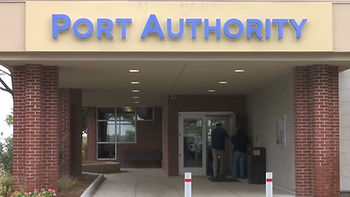
Oklahoma $4 Billion Aluminum Smelter Sparks Legal Battle Between Tulsa Ports and Town of Inola
A proposed $4 billion aluminum smelter in Rogers County has become the center of an escalating legal dispute after the City of Tulsa-Rogers County Port Authority unanimously authorized legal action against the Town of Inola. The decision follows months of disagreement over local development restrictions that could prevent one of Oklahoma's largest proposed industrial projects from moving forward.
The Inola aluminum smelter lawsuit places economic development ambitions against concerns about environmental protection, local government authority and the future of a small Oklahoma community. While supporters point to the project's potential economic impact, opponents question whether a massive aluminum production facility belongs near their homes. With a townwide referendum scheduled for April 7, 2027, the dispute could ultimately be decided through both the courts and the ballot box.
Inola Aluminum Smelter Lawsuit Challenges Town's Development Restrictions
According to FOX23, the Tulsa Ports Board of Directors voted unanimously to retain the Oklahoma law firm GableGotwals to pursue legal action challenging Inola's restrictions on industrial development.
The port authority authorized attorneys to seek declaratory and injunctive relief, legal remedies that could establish whether the town's actions are lawful and potentially prevent enforcement of restrictions affecting the project.
At the center of the disagreement is Inola's moratorium on heavy-industrial development, which town officials extended through April 7, 2027.
The moratorium temporarily blocks permits for certain industrial activities, creating a significant obstacle for developers hoping to begin construction.
Tulsa Ports argues that Inola's ordinances and permitting restrictions interfere with the authority's property rights and its ability to manage industrial development at the Tulsa Port of Inola.
The dispute raises a broader legal question: How much authority does a municipality have to restrict industrial development on property controlled by a public port authority?
The answer could have implications beyond this particular project, especially for Oklahoma communities seeking to balance economic development with local zoning and land-use authority.
$4 Billion Aluminum Project Promises Major Industrial Investment
The proposed facility is being developed through Oklahoma Primary Aluminum, a partnership involving Emirates Global Aluminium (EGA) and Century Aluminum.
The companies plan to construct a primary aluminum smelter on approximately 350 acres at the Tulsa Port of Inola, representing an estimated $4 billion investment.
Primary aluminum smelting is an energy-intensive manufacturing process that transforms alumina into aluminum metal using electricity and specialized industrial equipment.
Unlike facilities that recycle existing aluminum, primary smelters produce new aluminum that can be used in automotive manufacturing, construction, aerospace applications and other industries.
Supporters see the project as an opportunity to strengthen domestic aluminum production and attract additional industrial investment to northeastern Oklahoma.
The United States relies partly on imported primary aluminum, making new domestic production capacity a potentially important component of manufacturing supply chains.
However, a project of this size also raises questions about electricity demand, air emissions, infrastructure requirements and long-term environmental oversight.
Those concerns have become central to the debate among Inola residents.
Inola Voters Could Decide Future of Aluminum Smelting in April 2027
The legal fight is unfolding alongside a citizen-led effort to permanently prohibit primary aluminum smelting within Inola's municipal boundaries.
According to reporting , local opposition has focused on whether residents should have greater control over industrial activities that could affect their community.
The Inola Town Board has scheduled a referendum for April 7, 2027, allowing voters to decide whether to establish a permanent ban on primary aluminum smelting within town limits.
That election coincides with the expiration date of the town's extended industrial development moratorium.
For project opponents, the referendum represents an opportunity to address concerns about environmental conditions, nearby property and quality of life before construction begins.
For Tulsa Ports and the developers, the restrictions threaten the viability and timing of a multibillion-dollar investment.
The outcome remains uncertain. Authorization to pursue litigation does not establish that Inola's ordinances are unlawful, and the proposed voter referendum has not yet determined whether aluminum smelting will be permanently prohibited.
As the dispute continues, Inola has become the center of a larger Oklahoma debate over industrial growth, local control and environmental responsibility.
With billions of dollars in proposed investment and a community's future at stake, the decisions made in court and at the ballot box could shape development in Rogers County for years to come.


Comments