

Oklahoma SNAP Changes Hit Rural Families and Grocery Stores

Oklahoma SNAP Changes Hit Rural Grocery Stores as Food Assistance Enrollment Falls
Federal changes to the Supplemental Nutrition Assistance Program are beginning to reshape how low-income families buy groceries and how small stores operate across rural Oklahoma, where communities often have fewer food retailers and longer distances to travel for groceries.
The Oklahoma SNAP changes 2026 include expanded federal work requirements, new state restrictions on purchases made with SNAP benefits and updated requirements for stores authorized to accept EBT. Nationwide, about 5.4 million people have left SNAP since July 2025, according to federal food-policy reporting.
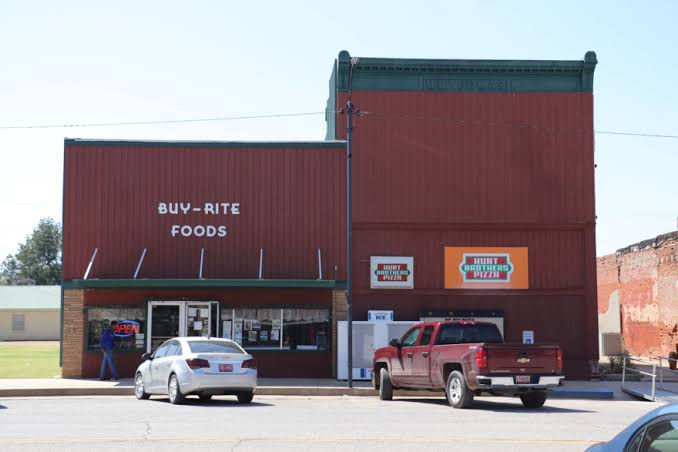
In Pond Creek, Oklahoma, the impact is already showing up at the cash register. Buy-Rite Foods, the only grocery store in town where residents can use SNAP benefits, reports its SNAP sales have fallen about 90%.
Oklahoma SNAP Changes 2026 Reach Rural Stores and Families
Congress approved major changes to SNAP through Public Law 119-21, signed into law on July 4, 2025. The law changed several parts of the program, including work requirements, eligibility rules, state funding responsibilities and nutrition education.
The changes expanded the group of SNAP recipients subject to time-limit work requirements. USDA guidance says federal law now requires affected recipients to satisfy work or qualifying program requirements to continue receiving benefits beyond the applicable time limit, unless they qualify for an exemption.
The USDA's SNAP implementation guidance for the 2025 federal law outlines changes affecting work requirements, eligibility, state matching funds, administrative costs and SNAP nutrition education.
For rural communities, those requirements can interact with conditions that are different from larger cities.
Food assistance advocates point to fewer available jobs, limited public transportation, longer commuting distances and reduced access to child care as potential barriers for rural SNAP recipients. Rural communities also historically have higher SNAP participation rates than metropolitan areas, according to the Food Research and Action Center.
Federal officials have said the broader changes are intended to strengthen work incentives, reduce improper payments and improve administration of the program. Critics and hunger-relief organizations have warned that the changes could make it more difficult for some eligible households to maintain benefits.
Pond Creek Grocery Store Reports 90% Drop in SNAP Sales
The effects are particularly visible at Buy-Rite Foods in Pond Creek, a small Grant County community northwest of Enid.
Harvest Public Media reported that Buy-Rite is the only store in town where shoppers can use SNAP benefits, making it an important food source for residents who otherwise may have to travel outside the community.
Store workers say SNAP sales have recently dropped by approximately 90%, particularly following Oklahoma's restrictions on what recipients can purchase.
Oklahoma received federal approval to prohibit SNAP purchases of candy and certain sweetened beverages, including soda and energy drinks. The restrictions took effect February 15, 2026.
The Oklahoma Healthy Food Waiver still allows SNAP recipients to purchase foods including fruits and vegetables, meat, poultry, seafood, dairy products, bread, cereal, rice, pasta, eggs, 100% juice and other qualifying grocery items.
At Buy-Rite, employees told Harvest Public Media that the change has noticeably reduced purchases by families who previously used EBT benefits for children's after-school snacks.
For a large supermarket, losing those individual transactions may represent a small portion of overall sales. For an independent grocery store serving a town of fewer than 1,000 people, changes in SNAP spending can have a much larger effect on daily business.
Small retailers are also preparing for updated federal stocking standards. USDA finalized new rules in April governing the variety and quantity of staple foods stores must carry to remain authorized SNAP retailers. The requirements include standards for staple-food categories and perishable products.
For rural stores operating on narrow margins, carrying additional perishable inventory can create another challenge because unsold fresh food can quickly become a financial loss.
Federal SNAP Changes Shift More Costs Toward States
Another major change is scheduled to affect state governments beginning in fiscal year 2027.
Federal law reduces Washington's share of most state SNAP administrative expenses from 50% to 25%, leaving states responsible for a larger portion of the cost of administering the program.
The USDA proposal implementing the new SNAP administrative cost-sharing requirement says the reduced federal reimbursement rate takes effect beginning in fiscal year 2027.
Separate provisions of the 2025 law also establish new state cost-sharing requirements connected to SNAP benefit payments, with the financial impact varying according to program payment-error rates.
That combination means the effects of federal SNAP policy extend beyond individual households. They can reach state budgets, food banks, independent grocers and the broader rural economy.
In towns like Pond Creek, losing a grocery store can create consequences far beyond one business. Residents may have to drive farther for food, while older adults, people without reliable transportation and lower-income households can face additional barriers.
The changing rules are therefore being watched not only as a food-assistance issue but also as a rural economic issue.
The Oklahoma SNAP changes 2026 are still being implemented, and some financial provisions will not take effect until 2027. But in communities such as Pond Creek, where Buy-Rite Foods reports a 90% decline in SNAP sales, the economic effects are already becoming visible.


Comments