

Asian Jumping Worm Spreads Across Oklahoma

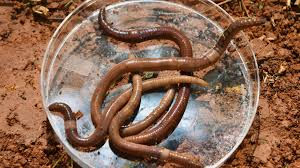
Asian jumping worm spreads across Oklahoma yards
The Asian jumping worm is raising concern as an invasive species now confirmed in Oklahoma and at least 19 other states.
Also known as “crazy worms” or “snake worms,” these highly active pests are being blamed for damaging soil and worsening already dry conditions across affected areas.
Experts warn the worms may already be present in residential yards, feeding on plant roots and disrupting healthy soil systems.
Asian jumping worm damages soil and plant health
The Asian jumping worm poses a unique threat compared to traditional earthworms.
Instead of improving soil, these worms consume organic matter at a rapid pace, leaving behind a dry, loose texture often described as resembling coffee grounds.
This degraded soil structure prevents moisture retention and makes it difficult for plants to absorb nutrients.
Environmental and invasive species monitoring is supported by agencies like the U.S. Department of Agriculture (USDA), which tracks the spread and impact of non-native organisms.
Rapid spread makes infestations difficult to control
The worms are considered especially problematic due to how quickly they reproduce.
They reproduce through parthenogenesis, meaning a single worm or cocoon can start an entirely new population.
This allows them to spread easily through mulch, soil, and potted plants, often without being noticed.
Invasive species research and environmental impact assessments are also conducted by organizations like the Environmental Protection Agency (EPA).
No targeted treatment currently available
Officials say there is currently no widely approved or effective method to eliminate only Asian jumping worms without harming surrounding soil ecosystems.
Because of this, prevention remains the most effective strategy.
Homeowners are encouraged to inspect landscaping materials, avoid transporting untreated soil, and clean tools and equipment after outdoor use.
Guidance on invasive species prevention is also provided by extension programs such as the University of Maryland Extension, which studies management practices.
Experts say awareness is critical as the Asian jumping worm continues to spread and impact soil health across multiple regions.


Comments