

Tulsa Ports Moves to Challenge Inola Smelter Ban Vote


Tulsa Ports Votes to Challenge Inola Aluminum Smelter Ban Before 2027 Election
The City of Tulsa-Rogers County Port Authority is preparing a legal challenge to a citizen-led initiative that could permanently prohibit primary aluminum smelting within Inola town limits.
The Tulsa Ports Inola smelter challenge escalated Thursday, September 17, when the authority's board of directors voted unanimously to authorize its legal counsel to challenge the initiative petition. The action followed an approximately hour-long executive session.
The proposed ordinance is currently scheduled to go before Inola voters on April 7, 2027, the same date the town's recently extended heavy-industry moratorium is set to expire.
Tulsa Ports Inola Smelter Challenge Targets Citizen Initiative
The dispute centers on the proposed $4 billion Oklahoma Primary Aluminum smelter at the Tulsa Port of Inola, an industrial park along the Verdigris River.
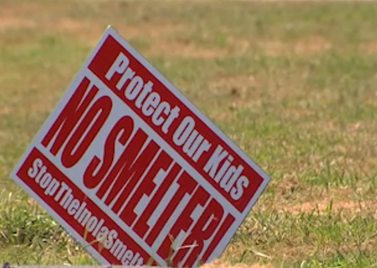
The citizen-led initiative petition seeks to permanently prohibit primary aluminum smelting within Inola town limits. Organizers submitted 201 valid signatures, leading to a dispute over whether the petition had met Oklahoma's signature requirement for municipal initiatives.
A Rogers County judge ruled earlier this month that the petition contained enough signatures and ordered the town to move forward with the process.
Representatives for Century Aluminum, Oklahoma Primary Aluminum and the Tulsa-Rogers County Port Authority had previously intervened in the case and unsuccessfully sought to prevent the Inola Town Council from considering the petition before additional arguments could be heard.
On Monday, the council unanimously chose to send the proposed permanent ban to voters rather than immediately adopt it.
Thursday's Port Authority vote authorizes attorneys to continue challenging that initiative process. Importantly, the board did not authorize a lawsuit against Inola's temporary moratorium during the meeting.
In a statement reported by KOSU's coverage of the Tulsa Ports vote, the authority said it has invested more than $100 million in infrastructure at the Tulsa Port of Inola and within the Town of Inola during the past seven years.
Tulsa Ports said its responsibility is to preserve its ability to develop the industrial property while allowing regulatory agencies to separately evaluate the aluminum project.
Inola Voters Are Scheduled to Decide Smelter Ban April 7
The legal challenge adds another potential obstacle before Inola voters can decide the issue.
The Inola Town Council voted unanimously this week to extend its heavy-industry moratorium through April 7, 2027. The council also unanimously scheduled the smelting-ban initiative for a town-wide vote that day.
The moratorium temporarily pauses heavy industrial development, including work associated with the proposed aluminum facility.
The report on Inola's April referendum and extended moratorium details the earlier court fight over whether petition organizers collected enough valid signatures to force action by the town.
Residents supporting the proposed ban have raised concerns about air emissions, water and electricity use, livestock, agriculture and potential public health effects associated with primary aluminum production.
Supporters of the smelter, including Governor Kevin Stitt, have emphasized the potential economic impact, manufacturing investment and jobs associated with the project.
Those competing positions have turned the proposed facility into a broader dispute over local control, industrial development and environmental regulation in northeastern Oklahoma.
Oklahoma Primary Aluminum has previously warned that litigation could follow restrictions on the development, citing money already invested in the property and project.
Inola Aluminum Smelter Faces Multiple Legal and Regulatory Battles
The initiative petition fight is separate from another major legal challenge to the smelter.
Oklahoma Attorney General Gentner Drummond filed suit in June seeking to block development of the project. His office argues the proposed facility could harm nearby residents, livestock and natural resources. The developers dispute the state's claims.
Drummond later sought a preliminary injunction against construction, citing projected emissions that include 425 tons per year of total fluoride compounds, along with the facility's projected electricity and water demands. An expert declaration submitted by the attorney general argues the plant could become the nation's highest fluoride-emitting industrial facility based on available federal emissions data. Those figures and conclusions are part of the state's litigation and remain contested.
The Oklahoma Attorney General's filing seeking to block the Inola smelter also identifies Emirates Global Aluminium as holding a 60% interest in the project and Century Aluminum as holding the remaining 40%.
Drummond's lawsuit was moved to federal court this summer before a federal judge ordered it returned to Rogers County District Court on September 3, finding the defendants had not established federal jurisdiction.
The Tulsa Ports Inola smelter challenge now adds another legal front.
Tulsa Ports and the developers are attempting to preserve the proposed industrial project, residents have successfully pushed a permanent smelting ban toward a public vote, the town has frozen heavy industrial development through April, and the Oklahoma Attorney General is separately seeking to stop construction through the courts.
Unless the initiative is blocked through further legal action, Inola voters are scheduled to have the final say on the proposed town-wide smelting ban on April 7, 2027.


Comments