

Sofidel Expansion In Oklahoma Brings $775 Million Investment
- mike33692

- Jun 5
- 2 min read
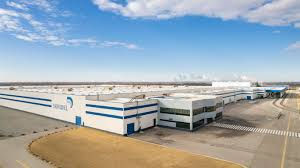
Sofidel Expansion In Oklahoma Brings $775 Million Investment To Inola
The massive Sofidel expansion in Oklahoma is officially underway after company leaders, state officials, and local business leaders gathered in Inola to break ground on a project expected to become one of the largest industrial investments in northeast Oklahoma history.
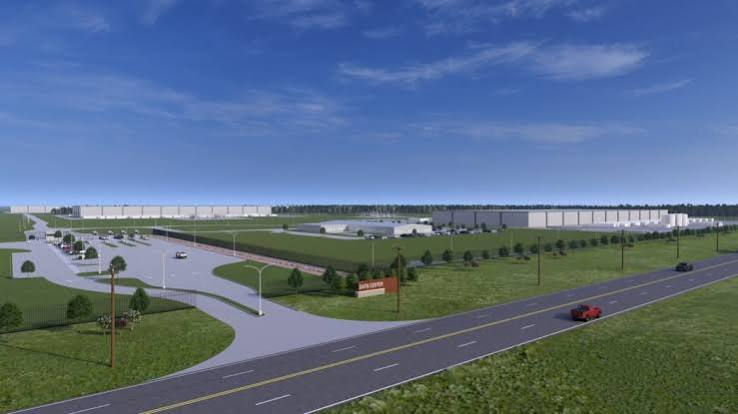
The Italy-based tissue manufacturer is investing $775 million to dramatically expand its operations at the Port of Inola, adding approximately one million square feet to an already massive facility.
Once completed, the site will span nearly three million square feet and further strengthen Oklahoma's growing reputation as a destination for large-scale manufacturing and foreign investment.
State leaders say the project will create new jobs, generate economic growth, and reinforce the state's position in the national manufacturing sector.
Sofidel Expansion In Oklahoma Adds New Production Capacity
The centerpiece of the Sofidel expansion in Oklahoma is the addition of advanced manufacturing equipment designed to significantly increase production capacity.
Company officials announced the facility will house a new 75,000-ton-per-year Valmet Through-Air-Drying (TAD) tissue machine, along with new converting lines capable of supporting increased consumer demand.
The expansion will allow Sofidel to produce additional tissue products while improving efficiency throughout its North American operations.
The company already operates one of the largest tissue manufacturing facilities in Oklahoma, and the latest investment signals continued confidence in the state's workforce and transportation infrastructure.
According to the Sofidel Group Official Website, North America now accounts for approximately half of the company's global revenue.
Advanced Technology Planned For Port Of Inola Facility
The Sofidel expansion in Oklahoma will also introduce some of the most advanced logistics technology currently used in the manufacturing industry.
Plans call for a fully automated warehouse capable of storing up to 100,000 pallets of finished products.
The facility will utilize automated laser-guided vehicles and advanced inventory systems designed to improve efficiency and reduce operational delays.
Industry leaders say the technology investments will help position the Inola facility among the most modern tissue production operations in North America.
Construction crews are expected to continue work over the next two years.
Company officials anticipate the expanded facility will begin operations during the second quarter of 2028.
According to the Tulsa Regional Chamber, the project represents one of the most significant manufacturing expansions announced in the Tulsa region in recent years.
Project Expected To Create Jobs And Strengthen Oklahoma Economy
Supporters say the Sofidel expansion in Oklahoma will deliver long-term benefits far beyond the facility itself.
The project is expected to create approximately 200 new jobs, adding to the roughly 600 positions Sofidel has already generated in the community since opening operations in Inola in 2018.
State officials say the investment will increase economic activity throughout Rogers County while providing additional support for local schools, businesses, and public services through an expanded tax base.
The announcement comes as Oklahoma continues competing for major industrial projects and foreign direct investment opportunities.
According to the Oklahoma Department of Commerce, manufacturing remains one of the state's strongest economic sectors, with large projects helping drive job growth and regional development.
As construction begins, local leaders are calling the Sofidel expansion in Oklahoma a landmark investment that will help shape the future of northeast Oklahoma's economy for decades to come.


Comments