

Oklahoma Wildfires Burn Nearly 1,400 Acres Near Binger

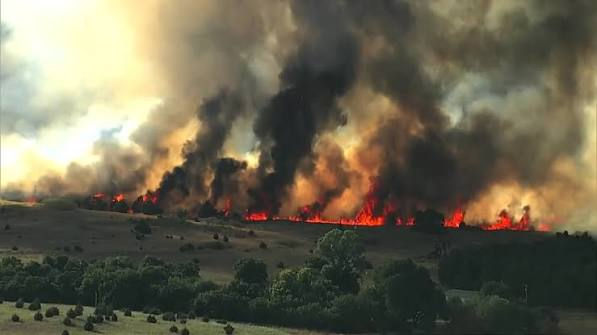
Oklahoma Wildfires Burn Nearly 1,400 Acres Near Binger as Fire Danger Stretches Resources
Firefighters are battling multiple wildfires across Oklahoma as persistent drought, dry vegetation and hot conditions continue to create dangerous fire conditions across much of the state.
The largest active fire Monday morning is the Gracemont Fire near Binger, where flames have burned nearly 1,400 acres in Caddo County and pushed toward the Canadian County line. The Oklahoma wildfire danger has forced evacuations, drawn firefighting resources from multiple agencies and prompted the City of Binger to ask residents to conserve water while crews continue working the fire.
Oklahoma Wildfire Danger Grows as Gracemont Fire Burns Near Binger
The Gracemont Fire began Sunday east of Binger and west of Cogar and spread rapidly through dry grass and vegetation. By Monday morning, the fire had burned nearly 1,400 acres and remained 0% contained, with firefighters continuing suppression efforts on the ground and from the air.
The fire moved toward the southwestern edge of Canadian County along County Line Road, leading officials to order evacuations as crews worked to keep the flames away from homes and other structures.
Multiple fire departments and emergency agencies have responded, with aircraft making water and retardant drops over areas that are difficult for ground crews to reach.
The response has also put pressure on local resources. Binger officials asked residents to avoid unnecessary water use because the community is serving as a primary water source for firefighting operations. Preserving water pressure allows tankers and other firefighting equipment to continue filling as crews work the fire.
Oklahoma's official wildfire evacuation guidance urges residents threatened by a wildfire to monitor emergency alerts, prepare multiple evacuation routes and leave immediately when directed by local authorities. Officials also caution residents not to return to evacuated areas until emergency personnel say it is safe.
No widespread reports of serious injuries had been announced Monday morning, but fire conditions and containment efforts remain active.
Noble Fire Adds to Demands on Oklahoma Firefighters
The Binger-area wildfire is not the only fire that has required a significant response.
A fast-moving grass fire northwest of Noble in Cleveland County broke out Sunday afternoon near railroad tracks between West Post Oak Road and West Etowah Road.
Firefighters from Noble, Slaughterville, Norman and surrounding volunteer departments responded as crews worked to prevent the flames from reaching nearby properties.
The Noble fire came only days after another major wildfire near McLoud in Pottawatomie County burned hundreds of acres, forced evacuations and damaged structures. That string of fires illustrates how quickly Oklahoma's dry vegetation can support rapidly spreading flames when an ignition occurs.
The state's wildfire risk is closely tied to both short-term weather and longer-term dryness. Oklahoma's Keetch-Byram Drought Index, one of the measurements used to assess wildfire potential, tracks moisture deficits in the upper layers of soil and the amount of fuel available to burn. Higher readings indicate increasingly dry conditions and greater potential for wildfire activity.
The state maintains those measurements and current fire-danger information through its Oklahoma wildfire readiness and fire danger system, which includes statewide fire conditions and burn-ban information.
With dry grass and other dormant vegetation readily available as fuel, even a relatively small ignition can spread rapidly before firefighters arrive.
Burn Bans Cover Much of Oklahoma as Dry Conditions Persist
The growing wildfire threat has prompted burn bans across much of Oklahoma, restricting outdoor burning as state and local officials try to prevent additional fires.
Residents can check current restrictions through the Oklahoma Forestry Services burn ban and wildfire resources before burning outdoors or conducting work that could produce sparks.
Officials are also urging Oklahomans to use extreme caution with welding equipment, vehicles parked over dry grass, chains dragging from trailers, outdoor power equipment and discarded cigarettes, all of which can become ignition sources when vegetation is extremely dry.
The continuing fires are particularly challenging for Oklahoma's network of rural and volunteer fire departments, which can be called into neighboring jurisdictions when a large wildfire requires additional personnel, engines, water tenders and equipment.
That mutual-aid system has been critical during the latest fires, but simultaneous incidents can spread those resources across multiple counties.
For residents near an active wildfire, conditions can change quickly. Evacuation orders, road closures and containment figures may change throughout the day, making instructions from local fire departments, emergency managers and law enforcement the most important source of immediate information.
For now, firefighters remain focused on containing the Gracemont Fire near Binger while crews across Oklahoma remain on alert for additional fires.



Comments