

Edmond Wildfire Protection Plan Targets Growing Fire Risks

Edmond Wildfire Protection Plan Targets Growing Fire Risks as City Expands East
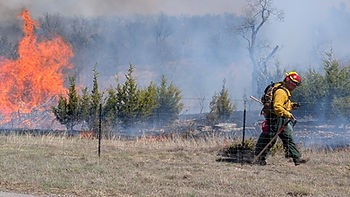
The proposed Edmond wildfire protection plan is moving forward as city officials address increasing wildfire dangers in neighborhoods expanding east of Interstate 35. The Edmond Fire Department is seeking formal adoption of a Community Wildfire Protection Plan (CWPP) designed to reduce hazardous vegetation, strengthen residential fire protection and improve emergency response capabilities in areas where development meets natural grasslands and wooded terrain.
Nearly half of Edmond's 93 square miles fall within the wildland-urban interface (WUI), where homes and businesses are exposed to wildfire threats from surrounding vegetation. Edmond Fire Marshal Jesse Benne has emphasized the need for long-term planning as construction expands into previously undeveloped areas. The proposal follows destructive central Oklahoma wildfires, including the Simpson Road Fire, which destroyed more than 30 homes, and the 33 Road Fire, which burned more than 33,000 acres.
Edmond Wildfire Protection Plan Focuses on Eastern Red Cedar Removal
Reducing hazardous vegetation is a major component of the proposed plan, particularly the removal of eastern red cedar trees, which can intensify wildfires during periods of high winds, low humidity and drought.
The city's existing wildfire prevention and defensible space recommendations encourage property owners to remove eastern red cedars, clear combustible debris and maintain separation between vegetation and buildings.
These measures are especially important in eastern Edmond, where residential neighborhoods increasingly border unmanaged natural areas. Creating defensible space can slow approaching flames and give firefighters safer conditions for protecting homes.
Fire-Resistant Homes and Emergency Access Could Reduce Wildfire Damage
The plan also emphasizes home hardening, encouraging construction practices that make residential structures less vulnerable to flames and airborne embers. Recommended improvements include Class A fire-rated roofing, ember-resistant vents, noncombustible siding and enclosed eaves.
Emergency access presents another concern. Fire officials want to explore additional access roads, utility easements and corridors that could allow fire trucks to reach remote areas where conventional roads are limited.
The Edmond Fire Department's wildfire prevention initiative recognizes the growing risk associated with eastward development and offers residents assistance identifying hazards around their properties.
These improvements could help firefighters respond more effectively while giving homeowners additional protection before a wildfire occurs.
Edmond Planning Commission Advances Wildfire Protection Proposal
The Edmond Planning Commission considered the Community Wildfire Protection Plan during its November 3 meeting, with fire officials seeking a recommendation for City Council adoption.
During the official Edmond Planning Commission meeting, Benne explained that the proposal establishes a non-regulatory strategic roadmap, rather than immediately imposing new building codes or development restrictions.
Future recommendations could address vegetation management, controlled burns, emergency access, wildfire detection technology and fire station planning. Any new regulatory requirements would undergo separate approval procedures.
Formal adoption could also strengthen Edmond's ability to pursue state and federal wildfire mitigation grants, supporting prevention projects and improvements to emergency response infrastructure.
The Edmond wildfire protection plan represents a proactive effort to protect homes, businesses and firefighters as development continues east of Interstate 35. With the proposal advancing through city government, the focus now turns to formal adoption and identifying projects that could reduce wildfire damage before the next major fire.


Comments